
The Genre of This Film
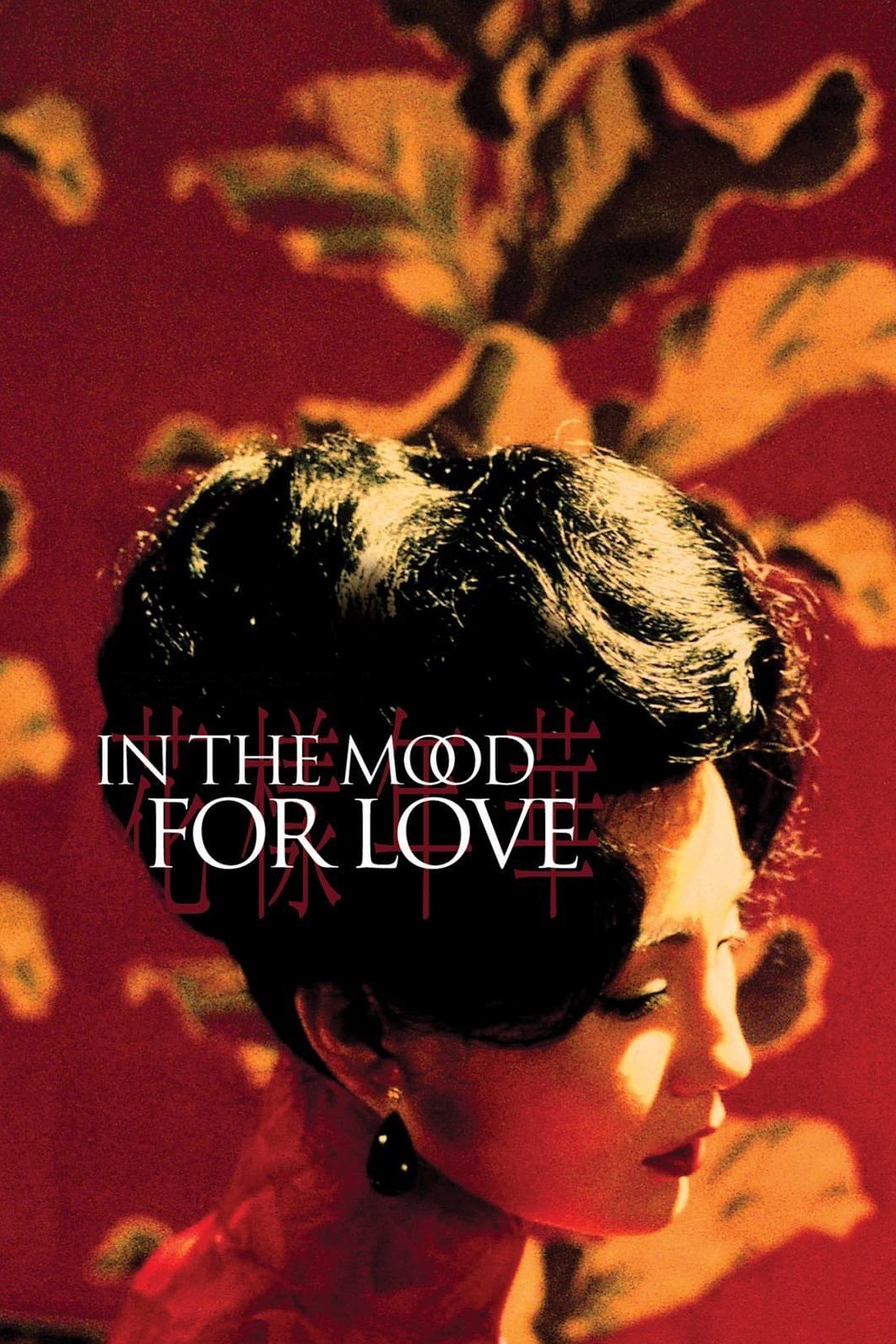
I’ve always felt there’s an unmistakable ache in “In the Mood for Love,” a kind of restrained longing that plants the film squarely in the romance and melodrama genres. When I watch Wong Kar Wai’s masterpiece, I’m immediately pulled into a world where every glance tells a story, and every silence holds more than a thousand words could articulate. For me, this film epitomizes romantic drama, not just because it centers on an unrequited connection between two lonely souls, but because it renders the complexity of desire, restraint, and societal boundaries in a way that defines what the genre can achieve. The film’s focus is not on a grand, sweeping love affair but on the quiet tension of what might have been, and in my experience, that subtle, atmospheric approach is one of the most essential traits of romantic drama at its finest.
Key Characteristics of the Genre
- Common themes
- Typical visual style
- Narrative structure
- Character archetypes
In my experience, romantic drama zeroes in on emotion and the internal lives of characters, often exploring forbidden love, secrecy, chance encounters, and the pain of missed opportunities. These narratives use obstacles—social, personal, or circumstantial—to create tension. I find that loss, yearning, memory, and the impact of time on human connection are ever-present motifs. In particular, this genre tends to focus less on the triumph of love and more on its frailty, its impossibility, or its endurance despite adversity. Stories unravel through lingering moments and meaningful silences, often highlighting how love both transforms and wounds.
Visually, romantic dramas often take a heightened, almost painterly approach. I notice elements like soft, atmospheric lighting, intimate close-ups, and carefully curated color palettes that evoke mood beyond simple realism. Shadows and confined spaces frequently play a part, reinforcing a sense of emotional enclosure. The use of slow-motion, lingering camera movements, and recurring visual motifs—rain against a window, a character standing in a narrow hallway, the repeated brush of fabrics—bring an almost tactile texture to the viewing experience. These choices are never arbitrary; they’re designed to reflect the characters’ emotional states and the gravity of the unsaid.
What stands out to me in this genre is its tendency toward understated, elliptical storytelling. Plots often unfold in fragments, leaving much to implication and subtext rather than explicit dialogue or action. Instead of grand climaxes, I observe a slow burn—discreet, sometimes cyclical encounters that circle around what cannot be spoken aloud. This approach makes space for ambiguity and for the audience to interpret actions and silences. The narrative is usually anchored in the everyday—dinners shared, walls passed in a hallway, chance meetings—rather than melodramatic happenings, and it builds anticipation through suggestion more than revelation.
Throughout my watching and teaching, I note that romantic drama usually centers on introspective, deeply nuanced characters. Protagonists tend to be restrained, even passive at times, more likely to suffer silently than to break out in declarations. Their desires conflict with personal codes or social norms; they are flawed, contemplative, and driven as much by memory and regret as by hope. Supporting characters often manifest as foils or catalysts—neighbors who observe, spouses who remain unseen yet powerfully felt, or acquaintances who complicate choices. Rarely do we see simplistic antagonists; instead, the “villain” is often fate, timing, or societal constraint.
How This Film Exemplifies the Genre
I can’t overlook how “In the Mood for Love” uniquely encapsulates everything I admire about romantic drama. The film immerses me in 1960s Hong Kong, yet it feels timeless because its preoccupations—longing, moral boundaries, and unrealized affection—transcend setting. The production does not center on grand gestures or physical consummation; instead, the emphasis is on what remains unsaid and undone. When I watch the exchanges between Chow Mo-wan and Su Li-zhen, I sense an entire universe in the subtle brush-off of a sleeve or a half-averted gaze. The unspoken pact they share—to never stoop to the level of their unfaithful spouses—infuses the narrative with a kind of quiet nobility, all the more poignant because it is so rarely articulated aloud.
The film’s visual design is, to my mind, one of its most expressive elements. There’s always something between me and these characters—a curtain, a hallway, a pane of glass, the shifting latticework of a cheongsam. This use of barriers is not just decorative; it echoes the internal barriers the two leads can’t break through. The cinematography, dominated by saturated reds, greens, and golds, bathes every moment in nostalgia and longing. I’m drawn in by the pacing, which unfolds in a series of recurring ritualized encounters—nocturnal walks to the noodle shop, lingering doorways, gentle music—punctuated by edits that leave out everything superfluous. Each scene feels like part of a long, drawn-out exhalation, and I feel the weight of every moment that passes between these two people.
If there’s a measure for romantic drama, it’s the ability to make ordinary interactions feel extraordinary, and “In the Mood for Love” does this with astonishing fidelity. Tony Leung and Maggie Cheung embody the kind of characters who live in the corners of their own lives, never fully seen by others, yet vividly alive in their rare, shared moments. Their restraint is not indifference—it’s respectful, even sacred. I always sense that the real drama happens in what’s withheld, not what’s displayed. It’s a celebration, even an elevation, of longing and the depth of commitment it takes to deny oneself. When I revisit the film, I recognize that each choice—from the seamless editing and haunting score to the period-perfect mise-en-scène—serves to distill the essence of romantic drama into something unforgettable and inimitably personal.
Other Essential Films in This Genre
- Brief Encounter (1945) – I think of David Lean’s black-and-white British classic as a touchstone for the genre. Like Wong Kar Wai’s film, it’s a story of two ordinary, married people who meet by chance and are swept up in feelings that threaten to upset the balance of their dutiful lives. What stands out for me is the eloquence found in reserve—how looks, half-finished sentences, and polite conversation can mask a world of turbulence below. “Brief Encounter” pulls so much dramatic tension from fleeting opportunities and missed chances, mirroring that central motif of romantic drama: the heartbreak of the almost.
- Letter from an Unknown Woman (1948) – Max Ophüls’ film embodies the bittersweet qualities of the genre for me. This is a story driven by memory, a hallmark of romantic drama, where a woman’s lifelong devotion to a man plays out through letters and recollections. The elegance of the camera, the sophisticated use of flashback, and the swirling sense of time passing all evoke the genre’s obsession with nostalgia and yearning. Like “In the Mood for Love,” the focus is on the emotional aftermath, the echoes of love rather than its fulfillment.
- Before Sunrise (1995) – Richard Linklater’s dialogue-rich romance is a very different, yet equally powerful, rendition of the genre. It’s less about missed connections and more about ephemeral ones. I’m struck by how the film crafts intimacy out of conversation and wandering, allowing chance meetings in a foreign city to become profound. The story unfolds in real time, building tension not from external obstacles but from time itself, another motif “In the Mood for Love” shares. Both films create an almost unbearable sense of parting that lingers long after the credits.
- Tokyo Story (1953) – Yasujirō Ozu’s masterwork always comes to mind because its drama is wrought from the quietest places inside domestic life. While not a romance in an explicit sense, it is soaked in themes of distance, regret, and longing for connection, all filtered through Ozu’s contemplative style. The film is patient, letting daily routines reinforce both intimacy and separateness. I see in Ozu the same kind of restraint and power in understatement that makes “In the Mood for Love” so affecting. Both films prioritize nuance and emotional honesty over melodrama, making me recognize the universality of feeling alone, even among loved ones.
Why This Genre Continues to Endure
Every time I revisit a film like “In the Mood for Love,” I understand a little more about why stories of longing and missed opportunities never lose their grip on audiences. In my opinion, this genre endures because it’s built around universal experiences we all carry: the moments we almost reach out, the words we never say, the memories we tuck away for years. There’s a deep empathy present in these films—an understanding of how powerful emotions don’t always lead to triumph, but can instead shape who we are in subtle ways. Romantic drama, at its best, does not offer easy relief or pat answers; it allows us to dwell in feeling, uncertainty, and acceptance. That lingering sadness, paired with genuine beauty, mirrors life more honestly than most genres dare to do.
For me, the genre’s style—thoughtful pacing, evocative visuals, mono-no-aware—invites introspection. The best of these films slow me down, coax me to pay attention to gesture, tone, and detail. They reward patience. They validate the inner world, suggesting that what goes unspoken is often the richest ground for drama. Even in an era of noisy, spectacle-driven entertainment, I believe the quiet ache of romantic drama continues to resonate because it dignifies private experience instead of dismissing it. People flock to films like this to see themselves—their restraint, doubts, hopes—reflected without judgment. That’s why, in my experience, the genre isn’t going anywhere soon. It still whispers truths we rarely say out loud, and sometimes that is exactly the comfort, or catharsis, I need from cinema.
If you’re interested in how viewers respond beyond technique, you may want to explore audience and critical reception.
🎬 Check out today's best-selling movies on Amazon!
View Deals on Amazon