
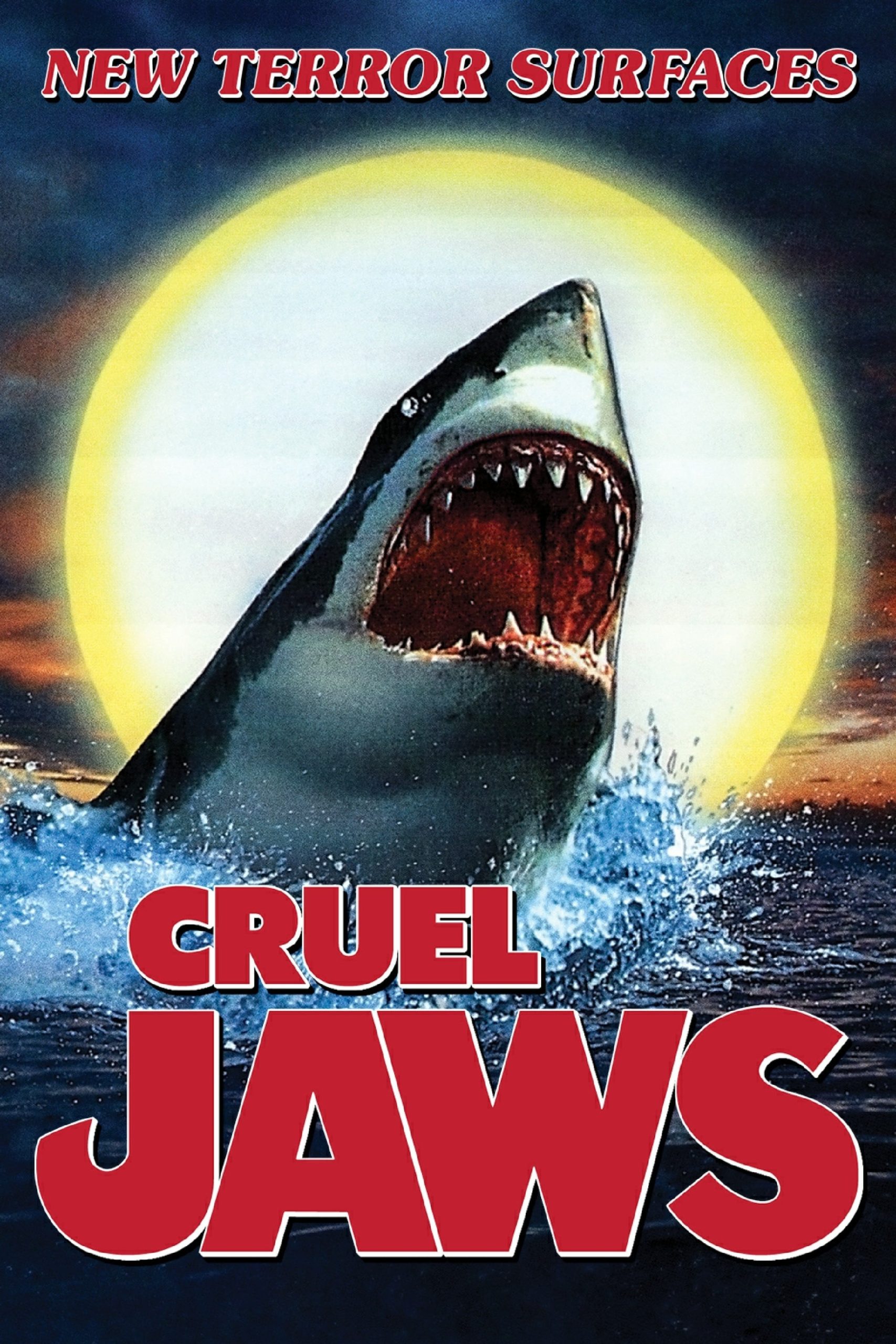
The Genre of This Film
My earliest memories of watching Jaws evoke powerful feelings of fear and anticipation, a visceral gut-twist that lingers long after the closing credits. For me, the essence of this film lies deep within the thriller genre, more specifically what I understand as the “horror-thriller” hybrid. When I consider what drew me so urgently to each scene, it’s the relentless tension, the unseen terror beneath the surf, and the skillful manipulation of suspense that defines classic thrillers in my mind. To me, Jaws is the quintessence of this form—where mounting dread, unknown threats, and anxiety chase every moment. Whenever I rewatch the film, I am reminded how expertly it leverages quiet menace and sharp shocks: all hallmark traits I expect from the best of thrillers.
Key Characteristics of the Genre
- Common themes
When I immerse myself in the thriller—especially with a horror edge—I expect to grapple with primal fears and the unpredictability of nature or humanity. Among the most recurring themes, I find the battle for survival, the struggle to identify or understand an unseen menace, and the vulnerability individuals feel against forces far larger than themselves. In many of my favorite examples, there’s both a tension between civilization and the wild and an underlying message about our overconfidence or lack of preparedness. Another theme I continually encounter is isolation—being cut off from help or forced to confront a problem alone. The idea of normalcy ruptured by terror is something that always makes thrillers captivating for me. -
Typical visual style
Thrillers, particularly those tinged with horror, communicate much through their visual choices. From my perspective, the palette is rarely cheerful—shadows, dimly lit environments, and ominous waters predominate. There’s a kind of visual restraint I often appreciate because it feeds my imagination. Rapid, sometimes disorienting editing builds anxiety, while long, lingering shots amplify my anticipation. I’ve always found that directors in this genre manipulate what isn’t shown as much as what’s seen: it’s the hint of danger and the cropping of images that force me to fill the gaps with my own worst fears. The lack of transparency in the visuals mirrors the mystery at the heart of the story. -
Narrative structure
For me, a tightly wound thriller tends to build in deliberate, escalating spikes. The structure usually introduces an initial shock or inciting event—often shrouded in ambiguity—before tension stalks the narrative in waves. I notice that suspense is carefully rationed, with moments of calm designed specifically to make the next eruption of fear more potent. There’s an almost mathematical precision to this pacing. The narrative often gathers a disparate group of characters forced to cooperate, and I find the story is typically centered on a desperate bid for survival, discovery, or escape. The climax, when it arrives, unleashes all the tension in a heart-stopping crescendo, rewarding patience with explosive action or confrontation. -
Character archetypes
Every time I return to iconic thrillers, I recognize the familiar faces—not always by appearance but by role. I see the unlikely hero, someone relatable or modest who is thrust into chaos. There’s often an expert or a skeptic, someone whose specialized knowledge is crucial but comes with personal flaws. The authority figure—be it law enforcement, government, or local leadership—frequently downplays the stakes, much to everyone’s peril. Sometimes, there’s a wild-card, a figure embodying the outsider or renegade spirit, who doesn’t quite fit but who brings needed perspective or daring. For me, this combination ensures a dynamic within the group that feels authentic and unpredictable, which in turn magnifies the tension at the heart of the thriller.
How This Film Exemplifies the Genre
Watching Jaws, I’m acutely aware of how every frame is engineered to string me along the edge of my seat. The way Spielberg crafts suspense isn’t just technical brilliance—it’s an orchestration of pure tension that I feel physically. From my perspective, this film’s greatest genre achievement is its deployment of the unseen: the shark, lurking always out of sight, transforms the ordinary ocean into an arena of lurking death. I find myself scanning the horizon just as nervously as the characters; the familiar becomes alien and untrustworthy, which is a masterstroke of thriller psychology.
In my view, the film’s pacing is surgical. Short bursts of violence—the first attack, the floating head, the chaotic beach scenes—punctuate long stretches where dread is thick and static. Each absence of danger becomes a feint, priming me for the next shock. The dynamic between Brody, Hooper, and Quint feels as essential as the plot itself—all three embodying the archetypes I most expect in this genre. Brody’s urban discomfort with the ocean mirrors my own anxieties, Hooper’s cerebral approach and Quint’s grizzled bravado create a triangulation of skepticism, expertise, and obsession that keeps the narrative taut.
The visuals strike me as both sumptuous and menacing. I notice how the camera often lingers just beneath the surface, pushing me into the shark’s perspective—a tactic that unsettles and implicates. When I recall the iconic dolly zoom on Brody at the beach, I remember how perfectly it visualized the sensation of existential horror. The soundtrack is another genre triumph for me: the simple, insistent motive haunts every peaceful moment, signaling threat even when nothing is visible. This deliberate manipulation of sound, space, and imagery constitutes what I value most in thrillers—an interplay that heightens my senses and provokes an almost involuntary emotional response.
Other Essential Films in This Genre
- Alien (1979) – The first time I experienced Alien, I instantly recognized its roots in the same fertile ground as Jaws. To me, it’s a masterpiece of claustrophobic dread, where an unseen predator dismantles a group from within. The film lingers on ambiguity and primal fear, enforcing a slow-burn terror set in the cold isolation of space. I always draw a direct line between the shark circling Amity Island and the xenomorph lurking in the ship’s corridors—both embody the unknown and the unstoppable.
- Psycho (1960) – Hitchcock’s influence on the thriller cannot be overstated, and Psycho is the film that, for me, redefined how suspense could be visualized and felt. Its mastery over point-of-view and timing, especially in the shower scene, continues to inspire the genre’s approach to expectation and misdirection. The psychological interplay between characters, especially the blending of normalcy with lurking danger, reminds me how much thrillers depend on upending the ordinary.
- The Silence of the Lambs (1991) – I’ve always been compelled by how The Silence of the Lambs balances horror with procedural intrigue. The interplay between Clarice and Hannibal Lecter, to me, is a study in psychological tension and manipulation. While the explicit threat is clear, much of the terror is intellectual—suggested, implied, and wielded through language and demeanor rather than outright violence.
- Duel (1971) – Spielberg’s earlier work, Duel, feels, in retrospect, like a prelude to Jaws. Here, I find the same meticulous ratcheting of suspense centered on a people-versus-inexplicable-threat dynamic. The largely unseen truck driver and the impersonality of the danger create a landscape where, as an audience member, I feel constantly under siege—something that seems to echo powerfully in all the best thrillers.
Why This Genre Continues to Endure
What sustains my fascination with the thriller—especially when it pushes into horror territory—is its honest engagement with my deepest anxieties. Every time I revisit classics or explore new examples, I’m reminded that there is comfort in ritualized fear, in confronting the unknown safely from my seat. The genre endures for me because it finds new ways to articulate the fear of losing control, of facing the unpredictable, whether in the guise of a predatory animal, a relentless killer, or an inhuman monster.
There’s something inherently addictive about the unique structure of suspense that thrillers offer. I love how the genre manipulates tension and release, mimicking the rhythms of danger and safety I’m wired to respond to. I also find the shifting group dynamics and the unpredictable escalation of stakes help the genre continually reinvent itself. New settings, new threats, and always, a fresh approach to that primal battle for survival.
No matter how the world changes, our fundamental fears as people don’t seem to wane. For me, thrillers provide not just entertainment but a kind of rehearsal—a mental drill for what I would do when faced with the unimaginable. In that sense, the genre offers catharsis and community: each time I watch with others, I feel the room crackle with shared suspense, collective gasps, and laughter after relief. That, for me, is the ultimate staying power of the thriller genre.
If you’re interested in how viewers respond beyond technique, you may want to explore audience and critical reception.
🎬 Check out today's best-selling movies on Amazon!
View Deals on Amazon