
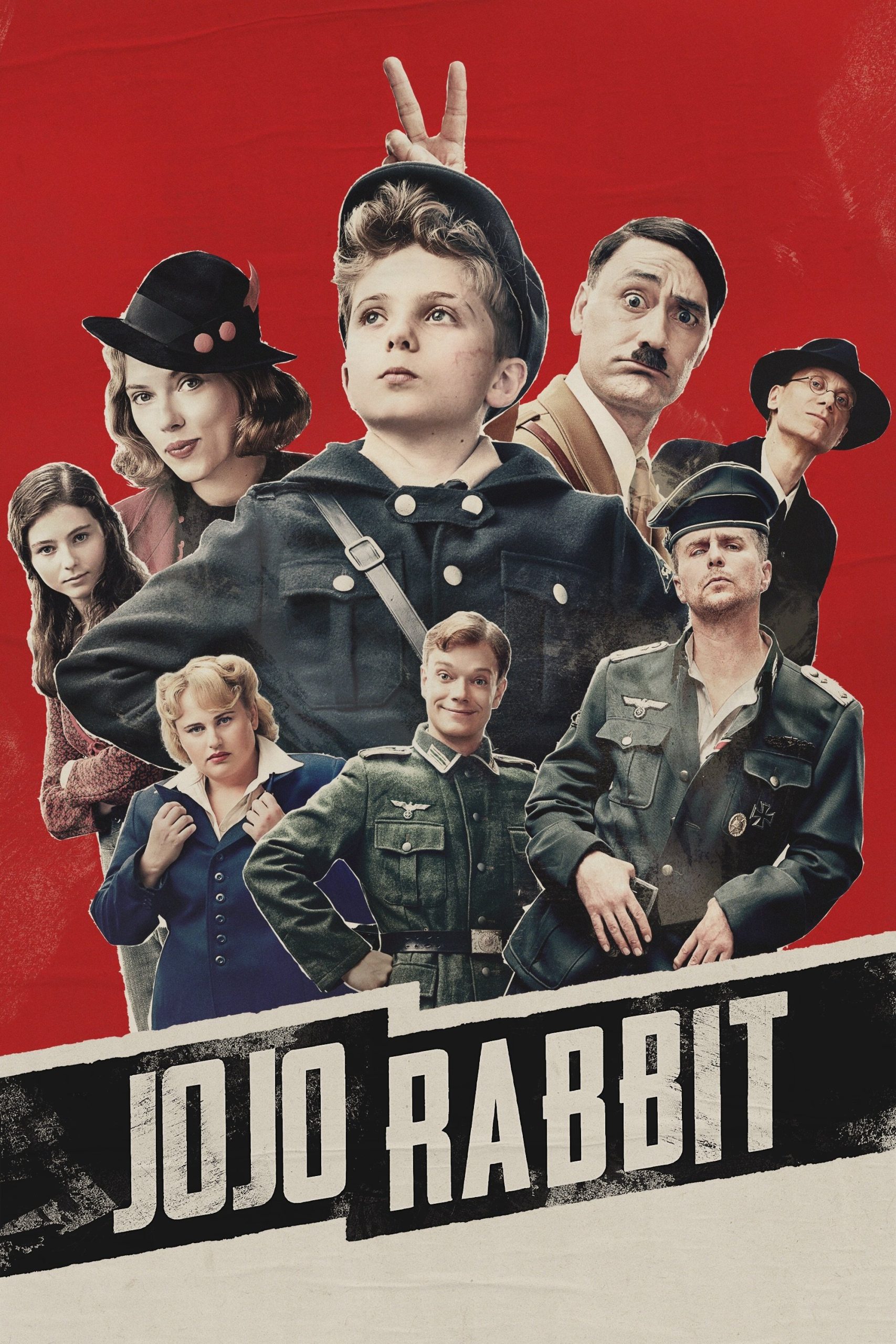
The Genre of This Film
When I first watched “Jojo Rabbit,” I was immediately struck by how deliberately it danced across boundaries of tone and subject matter, but what stood out most to me was its placement squarely in the tradition of dark comedy—particularly the subgenre often referred to as satirical comedy. I find that this film’s unique mixture of irreverent humor and dramatic undertones resides solidly within the sphere of satire, using comedy to expose, challenge, and critique deeply uncomfortable historical realities. For me, it is the audacious manner in which “Jojo Rabbit” wields laughter against the backdrop of Nazi Germany that unmistakably marks it as a satirical comedy, rather than a conventional drama or historical piece. The film doesn’t just use the tools of comedy to entertain—it leverages them to chip away at the absurdities and moral failings of its setting, prompting me to re-examine how we engage with the extremities of history through the protective lens of laughter.
Key Characteristics of the Genre
- Common themes
- Typical visual style
- Narrative structure
- Character archetypes
Personally, I have always been drawn to the way satirical comedies wedge themselves beneath the status quo, unearthing both societal hypocrisies and the ironies of human behavior. In my analysis, a typical satirical comedy is obsessed with deflating authority, exposing bigotry, or highlighting the surreal side of accepted cultural norms. These films thrive on contrast—the silliness of unwavering dogma or the absurdity of prejudice—so it’s no surprise that “Jojo Rabbit” leans hard into challenging the ideology of Nazism from a viewpoint that is, at first, innocent and unquestioning. I find that this genre rarely shies away from risky material; rather, it turns taboo subjects into the very fabric of its humor, effectively using laughter as a weapon to confront anxieties, injustices, and the mechanisms of power.
Whenever I think of films in the satirical comedy category, there’s a certain visual playfulness that jumps out at me. The visuals are often deceptively bright, accessible, and even whimsical, which is what makes the eventual subversion so effective. “Jojo Rabbit,” in my experience, exemplifies this trait: the color palette is almost pastel in its optimism, the production design carries a childlike sensibility, and there’s an intentional contrast between the innocence of childhood imagery and the dark realities lurking at the story’s edge. Satirical comedies also employ stylization, exaggerated costumes, or sets that evoke a sense of heightened reality. For me, the camera’s movement in “Jojo Rabbit” supports the surreal elements of the genre—never letting me forget that I’m watching a construction rather than a strictly historical re-enactment.
The satirical comedy, as I experience it, habitually subverts narrative expectations. Where standard comedies might dwell in situational humor, satirical stories are much more likely to twist the arc by leveraging irony and pushing characters into extremes that reveal the absurdity of their motivations. “Jojo Rabbit” takes what could have been a straightforward coming-of-age war film and turns it upside down: the protagonist’s imaginary friendship with Hitler is both a vehicle for humor and a dramatic accelerator that pushes Jojo toward difficult self-examination. I appreciate how the genre frequently intertwines major comedic moments with stark reminders of real-world gravity, creating a seesaw effect that keeps me unsettled, entertained, and engaged in deeper thought.
Sitting through countless satirical comedies over the years, I’ve noticed there’s always a core set of characters: the naïve protagonist often blinded by ideology or social convention; the ridiculous authority figure; the wise but marginalized observer; and a supporting cast bent on embodying various manifestations of societal problems. “Jojo Rabbit” perfectly casts these roles: Jojo himself is the lovable fanatic, fumbling his way through childhood prejudices; imaginary Hitler is the wildly exaggerated mentor figure who’s both comic relief and a mouthpiece for indoctrinated beliefs; and Elsa, the Jewish girl hiding in Jojo’s home, becomes the voice of reason, cutting through the farce with wit and clarity. These figures are not just narrative devices—they’re distinct points from which I’m pushed to recognize real-world types and rethink their impact in contemporary life.
How This Film Exemplifies the Genre
For me, “Jojo Rabbit” is a master class in how satire pulls uncomfortable truths into sharp focus, not by sidestepping pain, but by making me laugh in the unlikeliest of places. The most remarkable thing, in my eyes, is how the film uses comedy not to minimize the atrocities of its setting but to drive home just how ludicrous and poisonous hate-fueled propaganda can become when filtered through the mind of a child. I found myself both chuckling at Jojo’s absurd fantasies and feeling the weight of his eventual disillusionment. The juxtaposition of slapstick scenes (like Jojo’s bumbling participation in the Hitler Youth) with moments of stark heartbreak is exactly what attracts me to the best examples of the genre. I was continually reminded that satire is about holding up a mirror—sometimes a funhouse mirror—to the most entrenched problems in society.
I see the film’s use of a whimsical visual language—bright costumes, playful set decoration, and carefully staged physical comedy—as more than mere stylistic flourishes. For me, these choices confront the way collective memory often sugarcoats the brutality of the past, turning chilling historical realities into something almost cartoonish and, therefore, manipulable. The imaginary version of Hitler, so obviously false and performative, underscores how propaganda operates—through caricature and repetition. I walked away feeling that the most effective satirical comedies blend vulnerability and parody in a formula that is more provocative than any straight-faced exposé. The conversations between Jojo and Elsa struck me as especially powerful: she punctures his naive misconceptions, using pointed wit that’s both soothing and scathing. The humor isn’t just a shield in this film—it’s a scalpel that carefully peels back Jojo’s defenses, character by character, joke by joke.
Another thing that stood out on my rewatch is the constant tension between what is seen and unseen, heard and unspoken. The film’s humor relies on what’s omitted or left to the audience’s imagination, which I believe is a trademark of high-caliber satire. The fact that actual horrors almost always occur offscreen forces me to mentally fill in the blanks—both amplifying the jokes and making their context impossible to ignore. This coyness in presentation is, in my mind, one of the most challenging but rewarding aspects of the genre: it coaxes laughter out of discomfort, then uses that very laughter to deepen my understanding of wrongs that are all-too-often repeated in history. No other genre that I’ve explored has the same power to spark conversation, outrage, and even hope—all under the cover of a punchline.
Other Essential Films in This Genre
- “Dr. Strangelove or: How I Learned to Stop Worrying and Love the Bomb” (1964) – For me, this film is a cornerstone of satirical comedy, with Stanley Kubrick leveraging pitch-black humor to dissect the madness of Cold War politics. Every time I watch it, the absurdity of mutually assured destruction becomes both frightening and hilarious. The exaggerated performances, especially Peter Sellers’ trio of roles, embody the genre’s love of lampooning authority and the mechanisms of war.
- “Life is Beautiful” (1997) – Although often discussed for its dramatic heart, I consider this film a vital touchstone for how comedy can be harnessed against the darkness of genocide. Roberto Benigni’s mix of clowning and pathos underlines the satirical tradition of using humor as both resistance and coping mechanism, something I also see echoed in “Jojo Rabbit.” The colorful, almost fairy-tale visuals add to the bittersweet impact, reminding me how style is wielded for deeper subversion.
- “The Death of Stalin” (2017) – My fascination with political satire found fresh fuel in Armando Iannucci’s irreverent (and surprisingly factual) depiction of Soviet power struggles. The film’s brilliant use of deadpan humor highlights, for me, just how surreal and illogical bureaucratic terror can become. Every character is an archetype—the coward, the manipulator, the toady—rendered so ridiculous that I cannot help but both laugh and recoil.
- “Four Lions” (2010) – Whenever I discuss satirical comedies with peers, I find myself returning to this British film about inept terrorists. What strikes me most is how it dares to wring comedy from the least likely context, and yet never seems disrespectful. I think its critical, but humane, gaze is an essential example of how this genre forces viewers (myself included) to question and confront their own assumptions about ideology, intention, and belief.
Why This Genre Continues to Endure
What always pulls me back to satirical comedy is the way it demands both intellectual and emotional investment. Audiences today, myself included, are bombarded with a relentless stream of sobering news and moral challenges, but I sense a widespread craving for stories that can balance seriousness with wit. In my classroom and among fellow enthusiasts, I often see that people are drawn to comedy as a kind of protective armor, a way to process what might otherwise be overwhelming. Satire, especially the kind embodied by “Jojo Rabbit,” equips us to laugh at the world’s contradictions—and in doing so, prevents despair from taking root. The genre isn’t limited by era or culture; rather, it adapts to whatever new absurdity society throws our way. Sometimes I think that’s its secret power: it evolves as quickly as our follies do.
Another enduring feature, in my view, is the genre’s uncanny capacity to smuggle hard truths past our psychological defenses. Through laughter, I’m able to approach uncomfortable or taboo topics that I might otherwise resist. The most effective satirical comedies bypass lectures and instead stick with me through images, lines, or scenarios so ludicrous they simply can’t be real—except, uncomfortably, when they are. I suspect this resonance will never go out of style. Even as sensibilities shift, as long as there are institutions to challenge, histories to interrogate, and hypocrisies ripe for bursting, satirical comedy will find an audience willing to laugh, wince, and reflect. For me, the distinctive voice this genre offers—irreverent, clever, and, in its way, deeply compassionate—means it will always have an essential place in both film history and cultural conversation.
If you’re interested in how viewers respond beyond technique, you may want to explore audience and critical reception.
🎬 Check out today's best-selling movies on Amazon!
View Deals on Amazon