
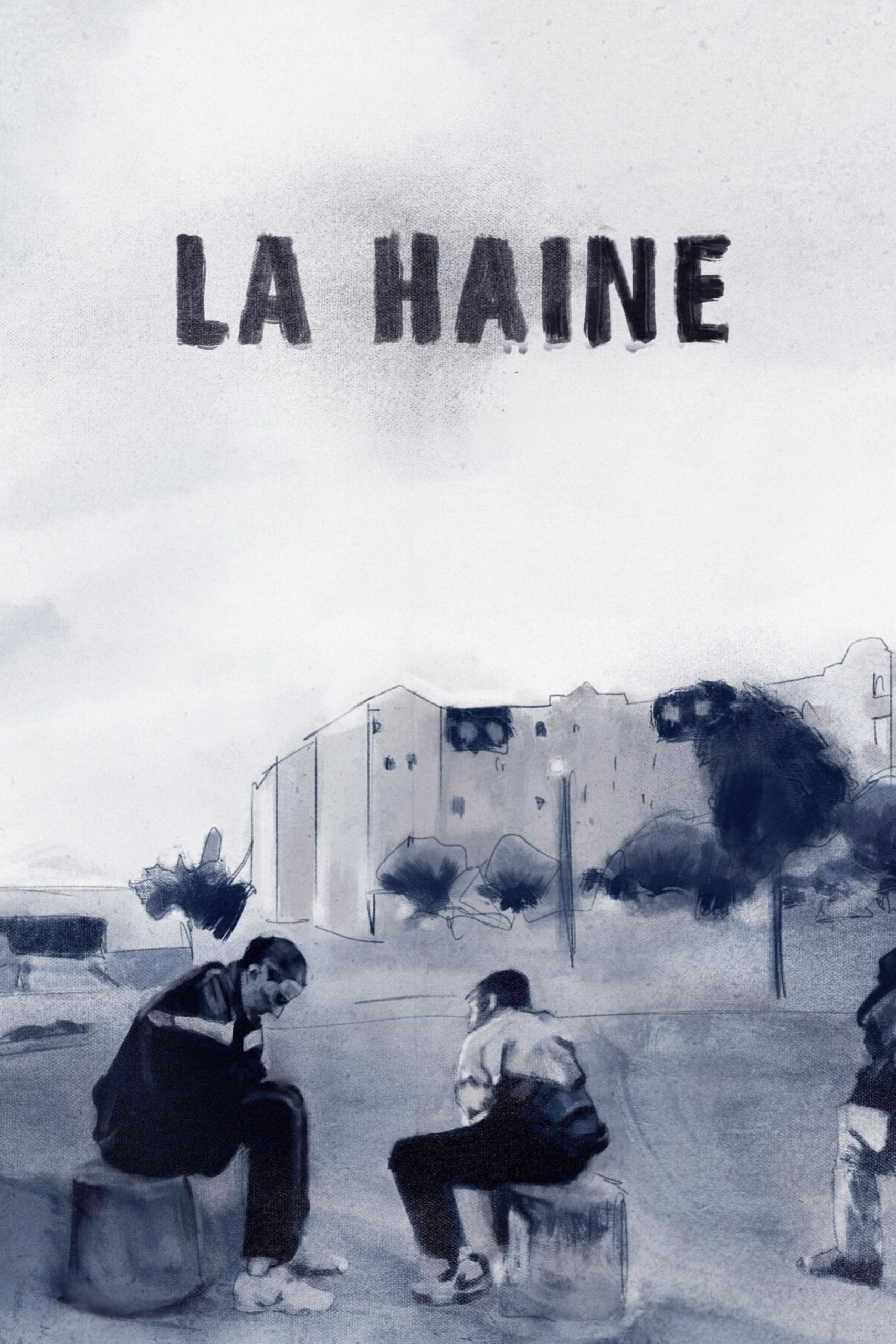
The Genre of This Film
From the moment I first watched La Haine, I recognized it as one of the sharpest examples of the urban crime drama—a subgenre of the broader crime film landscape. To me, the film’s power emerges not just from the events unfolding on screen, but from how those events are rendered through a uniquely immersive, street-level point of view. The sense of place, the intensity of the characters’ relationships, and the ever-present threat of violence signal that this is not merely a drama, but a film steeped deeply in the traditions and conventions of the urban crime genre. The film plunges me into the restless heart of the Parisian banlieues, confronting me with its gritty authenticity and a social realism that is inseparable from the urban crime drama’s DNA. For me, “urban crime drama” is not just a convenient label; it’s a framework that sharpens my understanding of La Haine’s restless, kinetic storytelling.
Key Characteristics of the Genre
-
Common themes
When I think about urban crime dramas, recurring themes immediately surface: alienation, marginalization, cycles of poverty and violence, mistrust of authority, and the perpetual tensions between individuals and systemic forces. I frequently see these films exploring how environment and circumstance shape identity and behavior, especially among disenfranchised youth. There’s often a yearning for respect and dignity, colliding tragically with the harsh realities of society’s lower rungs. Questions of loyalty—both to friends and to one’s own moral code—thread this genre as well. To me, the emotional intensity comes from characters striving for agency within a system seemingly stacked against them. -
Typical visual style
My appreciation for urban crime dramas is often tied to their fierce visual identity. I notice the prevalence of stark black-and-white cinematography or high-contrast color palettes, which amplify a sense of bleakness and tension. The use of handheld cameras and tight, close-up framing often makes the world feel claustrophobic and alive, echoing the dangers of the characters’ environments. For me, the genre embraces gritty locations: run-down suburbs, graffiti-marked alleyways, and cramped apartments, crossed by restless tracking shots. Everything in this style urges me to feel the pressure and immediacy of the streets. There’s rarely any visual polish—the camera work feels urgent and real, echoing documentary traditions, immersing me directly into the characters’ lives. -
Narrative structure
My experiences with this genre have convinced me that chronological storytelling is often compressed into urgent, short time frames—a single day or a crucial turning point—ratcheting up the suspense and highlighting how swiftly fortunes can change. I see little reliance on intricate plotting; instead, I often encounter episodic sequences, like vignettes stitched together by a mounting sense of inevitability. This structure builds toward a climax that feels both fated and shocking. To me, the strongest urban crime dramas deliberately eschew resolution or happy endings—a reflection of real-world unpredictability, leaving me contemplating lingering questions long after the credits. -
Character archetypes
When I watch these films, the landscape is populated by certain archetypes. Disaffected youth, restless and rebellious, form the emotional backbone. They are often outsiders in their own homes, warring with authority figures like police officers or teachers, whose roles oscillate between threatening and sympathetic. I frequently see these young protagonists gathered in gangs—bound by friendship but divided by internal conflict. The older generation might appear as weary survivors or broken guides, embodying the crushing weight of entrenched problems. I’m drawn, again and again, to the tragic inevitability of these archetypes—the toughened survivor, the peacemaker, the hothead destined for disaster—each living on the razor’s edge between hope and collapse.
How This Film Exemplifies the Genre
Few films have ever drawn me into the world of urban crime drama as abrasively as La Haine. From its opening montage of riot footage, the movie signals its loyalty to the genre’s conventions—a relentless examination of social unrest and frustration. What sets it apart, for me, is its relentless authenticity; the banlieue becomes more than a backdrop, transforming into a character itself. The monochromatic palette strips away any lingering sense of comfort, instead insisting that I feel the stark desperation and volatility throbbing beneath the surface.
The genre’s core themes—alienation, institutional distrust, the struggle for respect—are not simply ticked off a checklist; they are visceral, urgent realities I encounter in nearly every scene. From the wary interactions with the police to the subtle power plays among Vinz, Saïd, and Hubert, the film places me squarely in the crosshairs of tension and uncertainty. I am compelled to feel their world’s sense of entrapment, where choices narrow with every new confrontation. The characters are immediately recognizable yet complex: Vinz as the combustible reactor, Saïd as the eager connector, Hubert as the moral compass, each bearing the fragmented hopes and simmering rage typical of the genre’s central figures.
Where La Haine stuns me most is in its visual grammar. The handheld camerawork and the unpolished austerity force me out of the role of distant observer, inviting me to sense each pulse of dread and implosion. This isn’t a crime film about clever heists or glamorous antiheroes—it’s about the slow, daily burn of injustice and unmet needs. I’m particularly attuned to the way director Mathieu Kassovitz crafts tension through these techniques, allowing the momentum to build organically, never letting me relax into sentimentalism or easy moralizing. Instead, the narrative unfolds in a day-in-the-life structure, unspooling like a lengthening shadow toward its shocking, abrupt conclusion. I never forget that sense of mounting inevitability; it is the heartbeat of the urban crime drama, and La Haine executes it with surgical precision.
Above all, the film’s fierce commitment to social realism and immersive storytelling feels to me like a living distillation of the genre—one that isn’t just interested in depicting crime itself, but in probing the roots and reverberations of that crime in communities hungry for justice and visibility. Each scene, each interaction, each silence pulses with the knowledge that these stories are not confined to fiction. For me, this film does not just exemplify the urban crime drama; it redefines its expressive potential.
Other Essential Films in This Genre
- City of God (2002) – When I recall what it means to truly immerse myself in a world of poverty and violence, City of God comes immediately to mind. Watching this film, I see the same relentless focus on marginalized youth navigating an unforgiving environment. The Brazilian favelas become arenas for cycles of brutality, survival, and fleeting hope. Like La Haine, the film does not offer easy answers, instead challenging me to contemplate the interconnectedness of crime and community.
- Menace II Society (1993) – With its raw approach to inner-city life in Los Angeles, Menace II Society shaped my understanding of how American filmmakers approach the urban crime genre. The film’s relentless realism, driven by handheld camera movement and unvarnished depictions of violence, echoes much of what I cherish in La Haine. It draws me into the desperate loops of young characters wrestling with limited options, institutionalized distrust, and the burden of expectations.
- Gomorrah (2008) – I find myself consistently unnerved by Gomorrah’s chilling portrait of organized crime’s grip over Naples. The film’s fractured narrative, jump-cutting between disparate lives entangled in corruption, showcases the genre’s adaptability. I value how it blurs the line between crime drama and social commentary, making me confront the pervasiveness of violence and its insidious normalization within marginalized communities.
- Boyz n the Hood (1991) – Few films possess the emotional resonance I encounter in Boyz n the Hood. The movie’s patient, character-driven drama immerses me in South Central Los Angeles’s everyday realities, peeling back stereotypes to reveal a powerful, deeply empathetic examination of friendship, loss, and aspiration. It’s a cornerstone of the genre for me because of its unwavering focus on lived experience and its refusal to trade authenticity for spectacle.
Why This Genre Continues to Endure
In my experience, the resilience of the urban crime drama lies in its ceaseless relevance—a mirror I cannot look away from, reflecting persistent social fractures and the indomitable resilience of those who live at their edges. Every time I revisit films like La Haine or City of God, I am struck anew by how powerfully the genre addresses questions of belonging, authority, and agency. Audiences like me, searching not just for entertainment but for provocation and understanding, return to these stories because they refuse neat resolutions. The world changes, but the dynamics of marginalization, systemic violence, and the search for dignity remain.
I find that these films allow me to confront truths that are often papered over by more escapist genres. Through their intimate focus on character and place, they grant me a deeper empathy for those navigating the rigid structures of society. Their immediacy and lack of artifice are what gives them staying power. Viewers, like myself, consistently respond to the genre’s honesty—it invites outrage, sorrow, and hope in equal measure. As I witness new generations of filmmakers discovering these tropes and adapting them to their own landscapes and communities, I’m reminded that the urban crime drama is far from static; it continually renews itself. That dynamism, rooted in lived reality and unblinking honesty, ensures that every new iteration resonates as sharply as the defining masterpieces before it.
If you’re interested in how viewers respond beyond technique, you may want to explore audience and critical reception.
🎬 Check out today's best-selling movies on Amazon!
View Deals on Amazon