
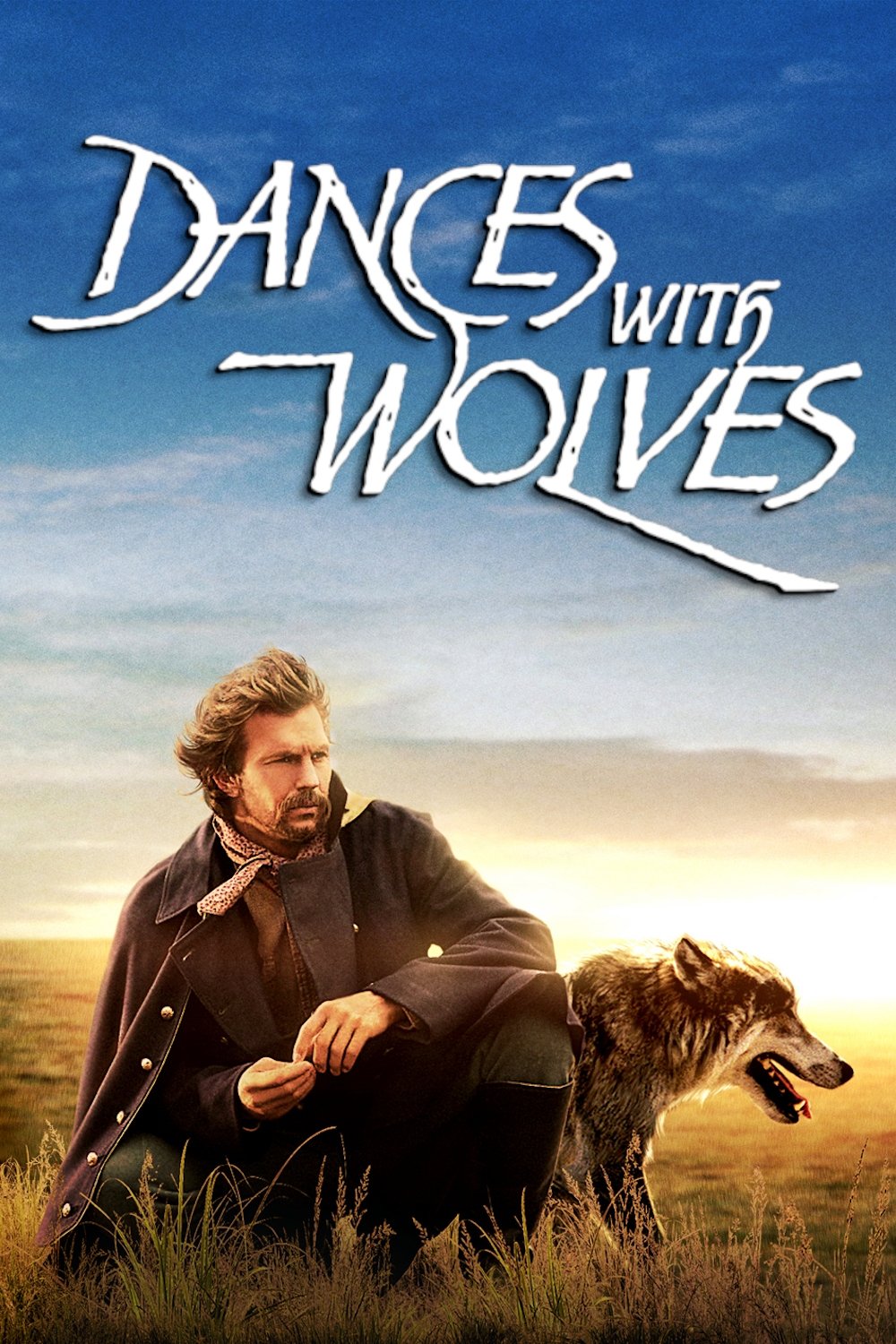
The Genre of This Film
Whenever I revisit Dances with Wolves, the first thing that washes over me is a sense of expansive possibility, as though I’m entering a world where landscapes define destinies. For me, this film anchors itself deeply in the Western genre. That might seem obvious on the surface, but what draws me to this classification is not just the horses and frontier settings—it’s the film’s engagement with classic Western themes: the confrontation between cultures, the tension between civilization and wilderness, and an individual’s search for belonging on the shifting edges of society. While some might argue that “revisionist Western” feels more precise, I’ve always believed that even its attempts to subvert the norms reinforce its Western identity. Simply put, Dances with Wolves belongs in the Western genre because every frame, every conflict, every moment of awe at the rolling prairie, is steeped in the elemental DNA of that tradition.
Key Characteristics of the Genre
-
Common themes
In my experience, Westerns consistently grapple with the mythic clash between order and chaos, civilization and the wild, newcomers and those who consider the land their own. At their core, these films often circle questions of morality, progress, law, and fate under big skies. I see empathy and hostility between competing worldviews as a motif, sometimes culminating in violent assertion, sometimes in uneasy peace. The taming of the frontier and the reckoning with the unfamiliar are threads that weave the genre together. -
Typical visual style
One image instantly materializes in my mind when I think of Westerns: the horizon stretching limitlessly, a single figure dwarfed against a landscape that can be both nurturing and lethal. What I love about this visual style is how filmmakers often use expansive cinematography to emphasize both possibility and isolation. Earth-toned palettes, the play of dust and sunlight, period costuming, and the interplay of shadow and vast openness—all these elements help define a classic Western’s appearance. -
Narrative structure
If you asked me what makes a Western’s story tick, I’d point to a journey, usually literal but also psychological. The protagonist’s quest for place or purpose leads to encounters with antagonistic elements—forces of nature, rival settlers, indigenous tribes, or their own haunted past. There’s a rhythm to how Westerns introduce conflict, escalation, and confrontation, culminating in transformation or resignation. I’ve noticed that Western stories often build towards a climactic reckoning, after which life on the frontier is irrevocably changed, for better or worse. -
Character archetypes
My ongoing fascination with Westerns owes much to the gallery of characters the genre has cultivated. I see familiar figures echoing through these stories: the lone outsider (cowboy, soldier, drifter), the hardened lawman, the displaced Indigenous character, the settler forging a harsh existence, the outlaw or opportunist presenting moral ambiguity, and sometimes the idealistic dreamer seeking renewal. These archetypes aren’t just tropes—they feel like compass points for orienting viewers in a world without clear boundaries or certainty.
How This Film Exemplifies the Genre
When I first watched Dances with Wolves, I was struck by how thoroughly it embraces and reimagines the Western palette. The landscapes—swelling prairies, shimmering rivers, skies ablaze at dusk—deliver that visual immersion I crave in a Western. Every frame seems to linger, giving weight to wind, grass, and sky, which, for me, evokes the genre’s tradition of letting the land itself become a character. The film’s atmosphere persuaded me that the mythic American West isn’t just a setting, but a force that shapes everyone within it.
But what truly cements its place in the Western genre for me is its engagement with those classic thematic confrontations. The tension I feel between encroaching “civilization” and the existing Native world lies at the heart of the film’s narrative energy. Rather than simply depicting conquest or easy assimilation, Dances with Wolves examines, in deeply personal terms, the discomfort and possibilities of coexistence. I was particularly moved by how the protagonist—John Dunbar—shifts from viewing the frontier as an empty canvas to one brimming with meaning and community. This evolution echoes the best Westerns’ capacity for self-interrogation and reinvention.
Within the character spectrum, I see archetypes everywhere. Dunbar emerges as the outsider adrift in a world he doesn’t yet understand, driven by both loss and hope. The Sioux community, though more dimensional here than in many earlier Westerns, still represents an alternative order that challenges and expands his worldview. Characters like Wind In His Hair or Kicking Bird act as catalysts for Dunbar’s transformation, while the encroaching soldiers and frontiersmen signal the persistent, destabilizing force of colonization. Even the love story—rarely at the heart of Westerns, but always lurking—unfolds with the low-key inevitability the genre so often prefers.
What also fascinates me is the film’s willingness to slow down, to grant its characters the time to listen, to watch, to question. Unlike earlier Westerns that prized swift action and antagonism as default tools of storytelling, Dances with Wolves adopts a pace more reflective of a changing West, blending moments of violence with intervals of contemplation. That to me is a mark of the “revisionist Western,” a subcategory that reinvigorates old forms by challenging assumptions. Yet, I always return to the feeling that even this challenge affirms the genre’s continuing relevance: every Western, including this one, is really asking how we define ourselves against the unknown.
Even stylistically, the film persists in its commitment to the genre: costuming, weaponry, horseback riding, campfires, and the use of Native dialects (with subtitles) provide immersion without breaking the spell of authenticity that Westerns often strive to conjure. The score, too, swells with grandeur and melancholy, a blend I associate almost exclusively with this genre. In essence, when I consider all these factors, I find Dances with Wolves not only qualifies as a Western but stands as a distillation and reinvention of the genre’s possibilities.
Other Essential Films in This Genre
- Unforgiven (1992) – For me, this film is a masterclass in the revisionist Western. Clint Eastwood’s exploration of violence, aging, and regret strips away the romance of the gunslinger, leaving behind a world where every act comes freighted with consequence. Watching this movie, I sensed myself questioning what truly defines justice in a lawless landscape and whether violence ever yields redemption.
- The Searchers (1956) – Every time I revisit John Ford’s influential film, I’m reminded why the Western endures in American cinematic memory. Its use of Monument Valley is iconic, but what stays with me is the disturbing complexity of its protagonist, Ethan Edwards. Here, you encounter the genre’s clash of values—bravery, vengeance, racism, and longing—set against a backdrop that feels both beautiful and threatening. It’s no wonder the film’s psychological depth sets the bar for all Westerns that follow.
- High Noon (1952) – I’ve always admired how this film trims the fat from the Western formula. The relentless ticking of the clock, the deserted town, and a lone marshal who must stand against encroaching danger—all work together to build nearly unbearable tension. When I watch High Noon, I see how duty, community, and courage can become life-defining burdens, themes that Westerns repeatedly revisit in various guises.
- The Outlaw Josey Wales (1976) – What draws me to this movie again and again is its straightforward storytelling and wry subversion of Western tropes. Clint Eastwood crafts a figure wrestling with grief and vengeance, forming uneasy alliances with a motley crew, including Native characters portrayed with rare depth for the era. I find its combination of somber tone and dry humor gives the film a distinct voice in Western cinema’s long conversation about justice and forgiveness.
Why This Genre Continues to Endure
As someone endlessly drawn to the Western, I’ve often asked myself why it still resonates after more than a century of storytelling. Part of the answer, I think, lies in the genre’s flexibility—how it provides both a mythic past and a canvas for self-reinvention. Every time I watch a Western, whether it’s a classic showdown or a meditative journey like Dances with Wolves, I feel a powerful sense of confronting the unknown. These films allow me to grapple with what it means to belong, to shape one’s fate, and to wrestle with the costs of progress—questions that never seem to lose their urgency or poignancy.
I’m also fascinated by how Westerns invite us to reconsider the balance between individualism and community. Whether the focus is on survival, justice, or personal transformation, I find myself invested in stories that strip away modern distractions and force characters to exist in elemental ways. There’s a clarity—and a danger—in these landscapes that remind me how quickly certainties can vanish, replaced by new alliances or adversaries. In the hands of thoughtful filmmakers, the genre becomes not just a relic of bygone eras but a testing ground for contemporary values: tolerance, responsibility, and respect across boundaries.
Much of the genre’s endurance, for me, is owed to its combinations of simplicity and grandiosity. I appreciate how you can follow a straightforward quest or become tangled in complex moral ambiguity, often within a single film. The iconography—six-shooters, wide-brim hats, distant mountain ranges—never seems to go out of style because they gesture toward universal themes. I realize, too, that Westerns often provide symbolic distance from modern dilemmas, giving audiences the freedom to wrestle with issues old and new without the baggage of the present day.
And most of all, I believe we keep returning to Westerns for their moments of transcendence: that sense of forging something new against all odds, of risking everything to forge an identity or community. Dances with Wolves showcases this spirit as much through its quiet moments as its flashes of violence or romance. In the end, I come back to the genre again and again because it rekindles the timeless hope that, beneath all the hardship and conflict, there’s a place for empathy, dignity, and belonging—just over the next rise.
If you’re interested in how viewers respond beyond technique, you may want to explore audience and critical reception.
🎬 Check out today's best-selling movies on Amazon!
View Deals on Amazon