
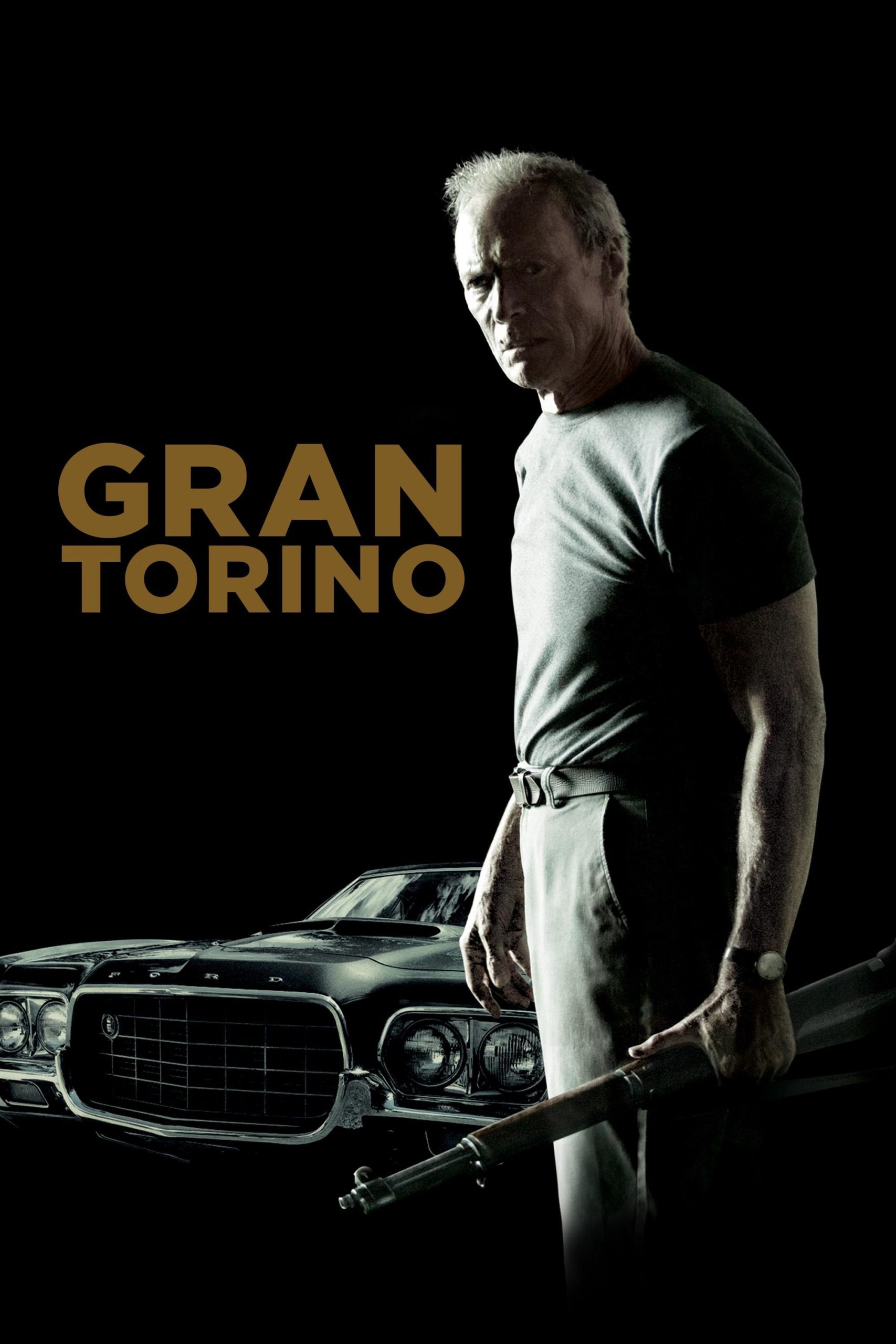
The Genre of This Film
When I think of “Gran Torino,” the first word that leaps to mind is “drama”—more specifically, it resonates most powerfully as a character drama grounded in the American crime drama tradition. While some might argue that it’s a revenge film or even a kind of urban western, what makes this movie so memorable for me is how it harnesses the conventions of crime drama to probe the hard edges of grief, isolation, and transformation against the backdrop of gang violence and neighborhood decay. I’m always struck by its deeply personal focus: the film’s emotional center lies in the journey of Walt Kowalski, and it’s his fraught encounters with crime, cultural conflict, and harsh realism that root the story unmistakably in the crime drama genre. To me, “Gran Torino” is best understood as a classic and compelling entry within the realm of American crime drama—where personal and societal struggles are filtered through the lens of criminality and redemption.
Key Characteristics of the Genre
- Common themes
- As I see it, the American crime drama always circles back to themes of morality, redemption, and justice. For me, these films often plunge right into the ambiguities of right versus wrong, especially when law and personal codes clash. There’s usually a strong undercurrent of characters striving to reclaim dignity or meaning in the aftermath of violence or loss. I also notice frequent explorations of social disintegration, the cost of loyalty, and generational or ethnic conflict.
- Typical visual style
- In my experience, crime dramas are rarely flashy; they’re all about stark realism—tight, intimate close-ups, low-key lighting, and lots of shadow and grit. The settings are often neighborhoods on the edge or urban environments where decay seems imminent. When I watch these films, the color palette always feels muted and somber, textured rather than polished. The visual energy is just as likely to be found in a cramped home or back alley as it is in any traditional set piece—the style remains tethered to the street-level realities that shape the characters’ lives.
- Narrative structure
- As I reflect on the narrative structure found in most classic crime dramas, I’m always drawn toward stories that introduce conflict early and build through moral dilemmas or tragic inevitability. There’s usually a gradual accumulation of events that force the protagonist to make profound, often painful choices, culminating in a climax where the outcome is as much about personal reckoning as it is about defeating an antagonist. This structure leaves space for introspection, slow reveals, and thematic depth—qualities that, in my view, set the genre apart from more action-driven approaches.
- Character archetypes
- Every time I watch a great American crime drama, I find a familiar cast of character types: the embittered loner (often a figure haunted by past violence or regret), the innocent or outsider who stirs change, figures of authority (sometimes just, sometimes morally compromised), and the antagonists—whether individual criminals or organized groups. There’s an emphasis on flawed individuals navigating a complicated moral universe. Personal codes, grudges, and vulnerabilities imbue these archetypes with layers that give the genre a reputation for psychological realism and personal stakes.
How This Film Exemplifies the Genre
What has always struck me most about “Gran Torino” is how perfectly it embodies the essential qualities of the crime drama genre while reframing them through the lens of late-life reckoning. When I first encountered Clint Eastwood’s portrayal of Walt Kowalski, I immediately recognized him as the prototypical isolated antihero—a figure so crusted over by trauma and prejudice that only a confrontation with genuine threat (the specter of gang activity and violence encroaching upon his home) could force self-examination or growth. For me, the setting is both brutally specific and emblematic of countless crime dramas: a Detroit suburb hollowed out by migration, neglect, and the growing presence of gangs. This backdrop isn’t just a place—it’s a crucible for moral challenge and transformation.
What I find ingenious is the way the film’s visual austerity amplifies its drama. Grimy streets, claustrophobic interiors, and subdued lighting evoke a realism I associate with vintage crime dramas—never stylized for their own sake, but always in service of revealing character and place. Every frame serves a function: the peeling paint on old houses, the suggestion of threat lurking in the ordinary, the wear on Walt’s iconic car. These details root the narrative in a tangible world, reinforcing the genre’s commitment to authenticity over escapism.
As for narrative structure, I see “Gran Torino” as a slow-burn. The story never rushes; instead, it sets Walt on a collision course with both his own inherited rage and the tangible dangers around him. There’s a buildup of tension—small confrontations lead to bigger ones, each choice Walt makes carrying both immediate risk and resonant symbolism. The climax isn’t an explosion of action but an act of sacrificial reckoning that dovetails perfectly with the crime drama’s focus on personal responsibility and the necessity of change.
I always return to the film’s cast of characters when I think about genre. Walt is the classic loner—gruff, emotionally stunted, but, like many crime drama leads, capable of evolution once the stakes become impossible to ignore. Thao, the Hmong neighbor, fills the role of the outsider-in-need, someone whose plight compels the protagonist’s involvement but who also catalyzes deeper self-interrogation. The antagonists—local gang members—are menacing, but not cartoonish; they’re grounded in social circumstance. Supporting players, like the awkward priest or Walt’s estranged family, offer alternate moral compasses or highlight the limits of law and tradition. I see the interplay among these roles as essential to the genre, lending “Gran Torino” a sense of continuity with its cinematic forebears.
Other Essential Films in This Genre
- “Mystic River” (2003) – To me, Eastwood’s earlier masterpiece exemplifies the genre’s fascination with how a single crime echoes through families and friendships over decades. The interlocking themes of guilt, revenge, and the irrevocable passage of innocence haunt every frame, making it a touchstone for anyone drawn to crime dramas that foreground moral complexity over simple resolution.
- “The Friends of Eddie Coyle” (1973) – I’ve always admired this film for its matter-of-fact depiction of small-time criminals drifting through a world of betrayals and failed dreams. Its low-key visual palette and mournful pacing reveal the psychological toll of living on society’s fringes, perfectly encapsulating the genre’s devotion to character over spectacle.
- “A History of Violence” (2005) – For me, this film stands out because it uses the contours of a crime drama to explore how violence seeps into ordinary lives. Viggo Mortensen’s character, who strives to outrun his criminal past, echoes the genre’s interest in questions of identity, retribution, and legacy. The rural setting offers a twist, but the film’s pulse belongs firmly to the tradition of American crime drama.
- “Unforgiven” (1992) – Although technically a western, I’ve always read “Unforgiven” as a crime drama in its bones. Eastwood again directs and stars as a man forced to confront both new injustices and the moral wreckage of his own mythic past. Its reflection on violence, aging, and ethical ambiguity makes it integral to the conversation about what defines the genre.
Why This Genre Continues to Endure
I often find myself drawn to the crime drama because it’s a genre that never stops interrogating the borders between law and lawlessness, justice and revenge, alienation and belonging. There’s something almost primal about how these films excavate both personal and communal wounds; they offer no easy comfort, but in the struggle, I always recognize something honest and true about the search for meaning in a fractured world.
I believe audiences keep returning to these stories because they foreground human fallibility—flawed people navigating circumstances that often spiral beyond their control. In every character arc and tense exchange, I see our collective anxieties about trust, change, and hope refracted back at us. Whether it’s the battered landscapes of postindustrial America or the brittle codes that hold tenuous communities together, the crime drama genre gives each challenge a face and a voice.
For me, what makes the genre evergreen is its willingness to keep pace with cultural and social change. Whether it’s new criminal enterprises, shifting demographics, or evolving understandings of justice, the American crime drama is always alive to the dilemmas of its own moment, even as it operates within a familiar framework. And ultimately, I’m left with stories that linger—stories that dare to ask what it costs to stand one’s ground, or to open a heart to forgiveness when nothing in the world seems to encourage it. That’s why I find myself coming back again and again, searching for truth amid all the broken windows and battered souls.
If you’re interested in how viewers respond beyond technique, you may want to explore audience and critical reception.
🎬 Check out today's best-selling movies on Amazon!
View Deals on Amazon