
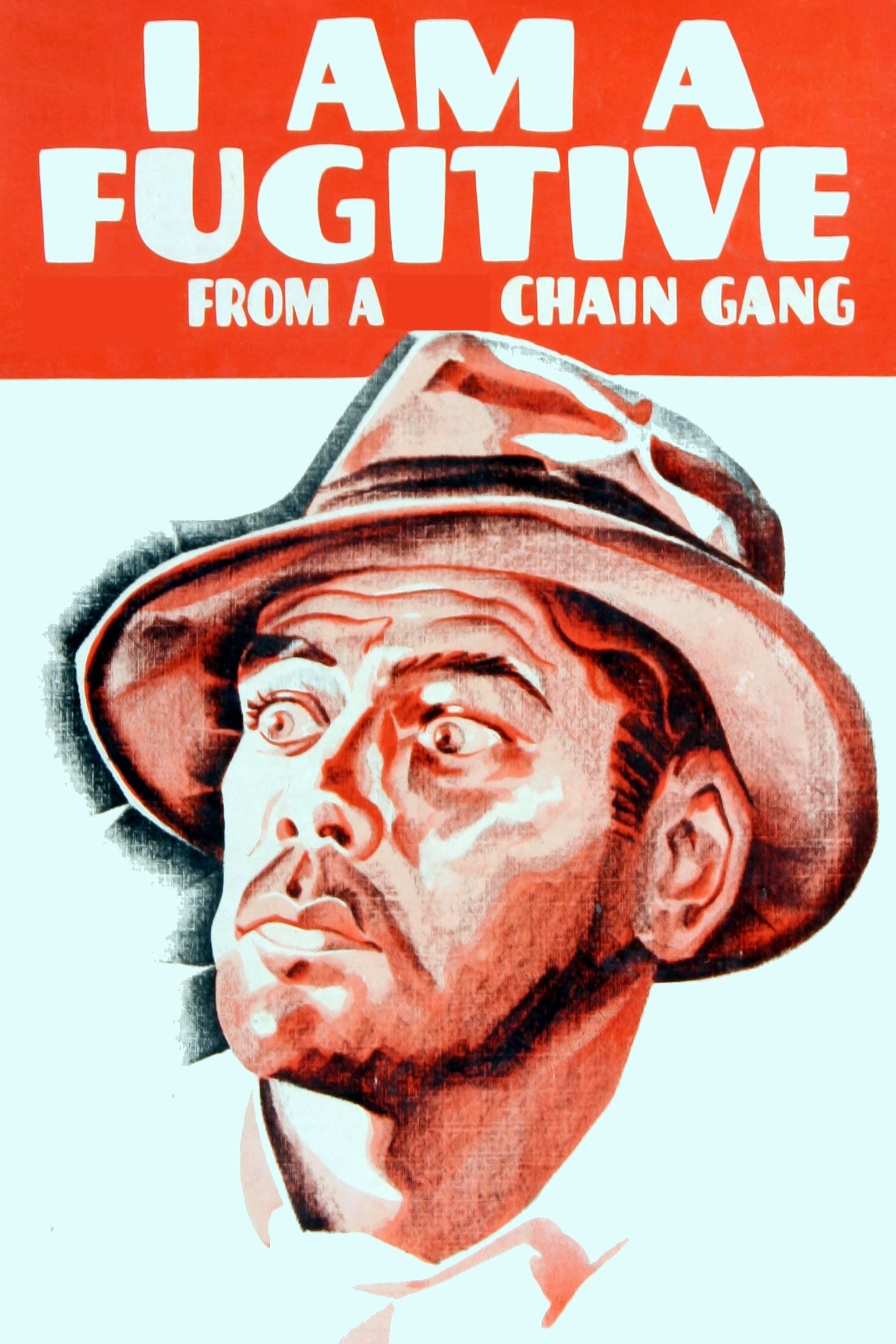
The Genre of This Film
Whenever I return to “I Am a Fugitive from a Chain Gang,” I feel the raw sting of injustice and the pressing weight of a world that refuses to relent. To me, this film is the quintessential social problem drama—a genre that doesn’t content itself with mere storytelling, but instead directs a relentless gaze at society’s failings. The overwhelming sense of entrapment, the dogged pursuit of one man by a tribute to flawed systems, and the unyielding exposure of institutional neglect—these qualities ground it firmly in the tradition of Hollywood’s early social problem films. I never walk away without feeling that this is a story crafted as both a warning and a wake-up call, aiming its energy at the collective conscience more than the personal dilemma of its main character. While the film certainly overlaps with crime drama conventions, I find its true home in the social problem genre—defined by its deliberate examination of injustices and its call for reform, so obviously beating at the heart of every scene in “I Am a Fugitive from a Chain Gang.”
Key Characteristics of the Genre
- Common themes
- Typical visual style
- Narrative structure
- Character archetypes
When I think of the social problem film, what always stands out to me is its unflinching commitment to dissecting urgent societal issues. I find works in this genre gravitate toward exposing systemic abuses, dehumanization, societal inequality, and bureaucratic indifference. These films rarely opt for comfort—they press into the discomfort of injustice and, in their best moments, demand an ethical response from their audience. The social problem drama, in my view, is defined by its engagement with topics like wrongful convictions, penal cruelty, poverty, racism, or labor exploitation. As I watch, I’m forced to see the mechanisms by which individuals are victimized not by fate, but by the very structures that claim to serve and protect.
For me, the classic social problem film always leans on a realistic or semi-documentary visual approach. With “I Am a Fugitive from a Chain Gang,” I can almost feel the grit and sweat of each frame—its harsh lighting and stark black-and-white palette reinforce a world that’s unvarnished and unflinching. This genre is rarely about glossy scenery or romantic idealism. Instead, I find that its productions rely on functional sets, shadow-heavy cinematography, and unembellished costuming to create a sense of authenticity. The visual roughness, whether intentional or inherent to budgetary limits, matches the themes: I never question whether what’s unfolding is meant to look pretty or easy. Every shot seems weighted with purpose—to expose, not to beautify.
When analyzing films like “I Am a Fugitive from a Chain Gang,” I’ve noticed social problem dramas often follow a structure of escalation and exposure. The protagonist is usually swept into a situation by forces beyond their control—colossal, impersonal powers like the penal system or poverty. I’m led through an agonizing journey from initial hardship to a near-impossible struggle for justice or escape. Typically, these stories crescendo in a moment of intense moral reckoning—sometimes cathartic, sometimes crushing. I find that resolution is intentionally ambiguous; happy endings are rare. The weight of the problem nearly always lingers. That unresolved tension is one of the qualities that keeps these films alive in the viewer’s mind long after the credits roll.
As a student of this genre, I consistently encounter certain character types that embody its larger questions. The protagonist is almost always an ordinary person who becomes an unwilling symbol—crushed by engrained systems and forced to confront their resilience. Opposing them, I find the faceless authority: wardens, officials, bureaucrats—rarely rendered as individuals, but instead as the embodiment of institutional machinery. Secondary figures, like fellow victims or small rebels, highlight varying degrees of acquiescence and resistance. Meanwhile, bystanders (either complicit or powerless) force the audience to consider their own role in societal injustice. I always appreciate the subtle ways these characters allow the genre to ask: “What would you do, in this world?”
How This Film Exemplifies the Genre
I cannot watch “I Am a Fugitive from a Chain Gang” without being drawn into its relentless exposure of a system gone horribly awry. For me, the film’s power is in its methodical presentation of a social ill—organized injustice disguised as order. There is a persistent insistence on realism; from the first, I can feel the claustrophobia of muddy, oppressive chain gangs, the callous indifference of guards, and the near-hopeless legal gauntlets that face the wrongly accused. Every scene seems to be designed to place the viewer—me—into a confrontation with the machinery of injustice. I find the protagonist, James Allen, particularly compelling because he’s no romanticized hero; he’s a stand-in for anyone ground up by the gears of institutional neglect. His ordinary status makes his suffering more disturbing and relatable.
The film doesn’t offer comfortable solutions or escape routes, something I consider a hallmark of the genre at its most honest. There are moments when I wish for a reprieve, for Hollywood optimism to intervene, but those moments never arrive. Instead, scenes end on notes of uncertainty or despair. The ambiguous finale, with its unforgettable question—haunted by shadows and unresolved guilt—just reinforces for me the idea that society’s problems are not easily solved, and viewers must wrestle with the consequences outside the theater. Its documentary-like style keeps me grounded in the world of the film without any comforting distance. I see harsh labor, squalid camps, physical brutality—nothing is sugarcoated, and every directorial choice seems guided by a deep-seated anger at a corrupt system. I’m not allowed to look away, or to excuse myself from caring. That, to me, is how this film exemplifies the social problem genre: it’s not just telling a story, it’s demanding my outrage.
Yet, for all its specificity to prison life and injustice in the 1930s, it never lets itself become a period piece or a museum artifact. I watch Allen’s story and can’t help but sense resonances with any era where institutions overreach and individuals are trampled underfoot. At every turn, the film invites me to bear witness—to see, to feel, and to question. I am reminded, powerfully and uncomfortably, that systemic abuse is never confined to the past, and the genre’s job is never truly finished. It’s this confrontation—between viewer, victim, and system—that I consider the clearest mark of social problem cinema at its sharpest.
Other Essential Films in This Genre
- The Grapes of Wrath (1940) – When I watch “The Grapes of Wrath,” I encounter another harrowing trek through systemic indifference. For me, it’s a prime example of social problem cinema, exposing the crushing toll of the Dust Bowl, poverty, and migration. The film’s focus on the Joad family’s fight against dehumanization and institutional neglect hits many of the same emotional and thematic registers as “I Am a Fugitive from a Chain Gang.” Its visual austerity and haunting imagery drive home the helplessness of individuals within larger social and economic crises.
- The Lost Weekend (1945) – Though initially classified as a psychological drama, I believe “The Lost Weekend” earns its place in the social problem canon for its unwavering gaze at alcoholism and social stigma. This film’s commitment to realism and deep immersion in its protagonist’s struggles reminds me how effectively the genre exposes not just societal structures, but also the personal tolls taken by systemic misunderstanding or neglect. I always find myself drawn into its suffocating world and the film’s refusal to let me settle for easy answers.
- The Ox-Bow Incident (1943) – Few films deliver the immediacy of group violence and morality in crisis like this one. Watching “The Ox-Bow Incident,” I see the genre at work in its most concentrated form: a single incident becomes a damning appraisal of mob mentality and miscarriage of justice. The film’s tight focus and moral ambiguity force me to confront how quickly societal order can turn dangerous, and how individual responsibility is often swallowed up by collective blindness. Like the best of the social problem films, it dares me to ask uncomfortable questions about accountability.
- Angels with Dirty Faces (1938) – I consider this film an essential entry for its exploration of crime, poverty, and opportunity (or the lack thereof) in urban America. Though it sits on the line between gangster film and social problem drama, I’ve always been struck by how it uses its crime narrative to highlight the tragic consequences for youth in desperate circumstances. The film’s emotional appeal and focus on systemic failure to provide guidance or hope resonate deeply with the social problem tradition as I experience it.
Why This Genre Continues to Endure
Every time I immerse myself in a social problem drama, I am reminded that cinema isn’t just about escapism—it’s about reckoning with reality, about scrutinizing the world I live in and demanding something better of it. What I find most compelling about the genre’s continued relevance is this: audiences (myself included) crave stories that make sense of their own historical moment. In the social problem film, I see a mirror held up to the bruises and scars of society—a space not for easy catharsis, but for difficult reflection. There is a rawness and immediacy to these films that I think is only possible when a movie cares more about provoking thought and conversation than about entertaining for its own sake.
For me, the genre’s power lies in its sincerity. No matter how styles evolve or social realities shift, there will always be a need to bear witness—to say plainly that certain injustices can’t be ignored. In the darkest moments (and especially when cynicism tempts us to look away), these films push back, often inspiring acts of empathy and, at times, reform. I’m continually surprised at how powerfully a single story of injustice, rendered honestly and unflinchingly, can mobilize anger, awareness, or even hope. The reason I—and audiences everywhere—still connect with social problem dramas is simple: as long as there are wrongs in the world, there will be those willing to use art, and especially cinema, as a form of resistance and a call for justice. The genre endures because the world keeps asking the same questions, and we keep coming back, desperate for answers—or at least, the chance to ask better questions ourselves.
If you’re interested in how viewers respond beyond technique, you may want to explore audience and critical reception.
🎬 Check out today's best-selling movies on Amazon!
View Deals on Amazon