
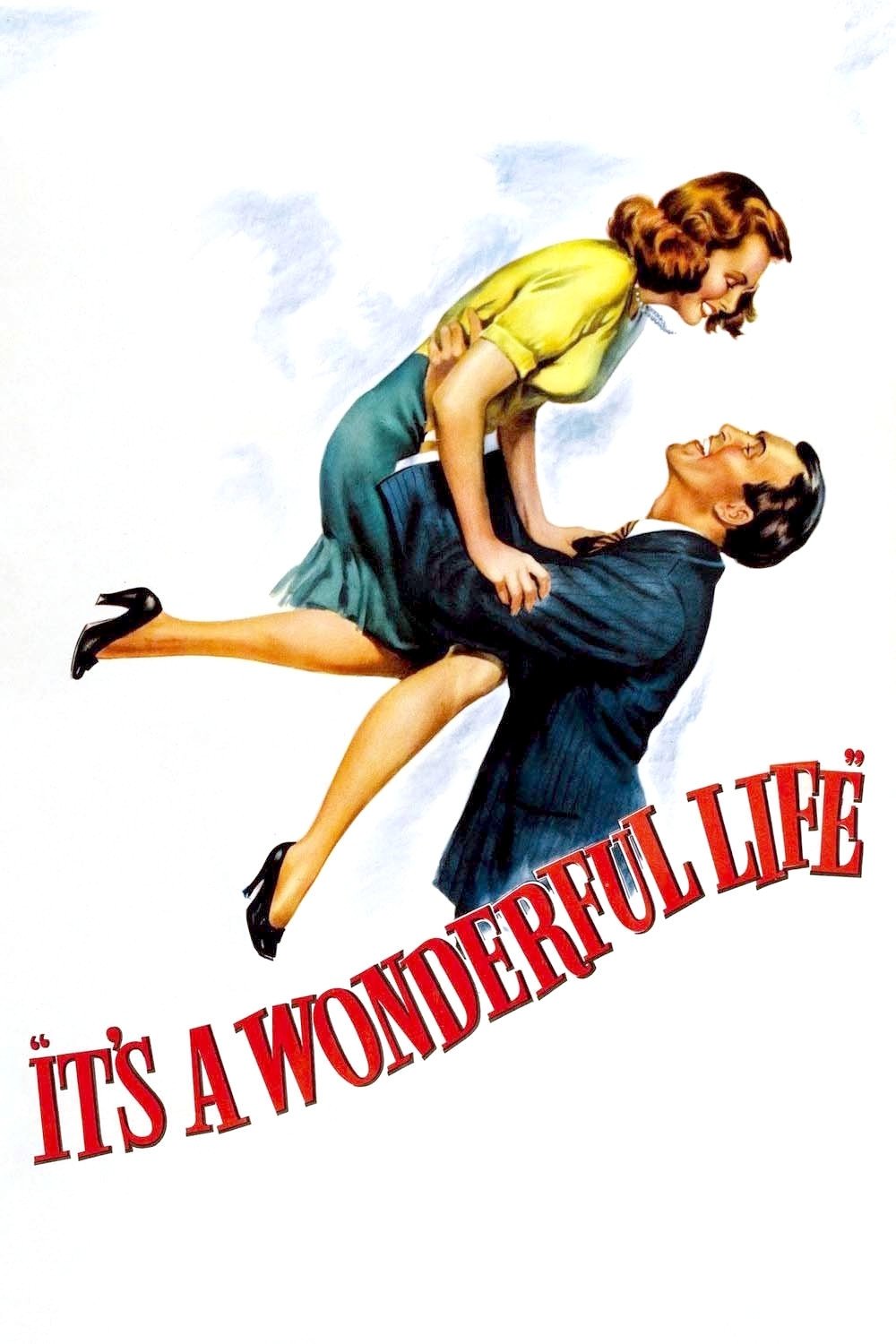
The Genre of This Film
I’ve always associated It’s a Wonderful Life with the unique warmth of classic American drama, but every time I watch it, I distinctly feel its pulse as a fantasy drama. To me, this film fundamentally belongs to the fantasy drama genre. The presence of a guardian angel steering the protagonist’s fate—and the seamless merging of everyday reality with supernatural intervention—anchors it firmly within fantasy, while its emotional core and focus on individual struggles reflect the essential traits of drama. Fantasy drama, in my view, isn’t just about otherworldly phenomena for their own sake; it’s about utilizing elements beyond the natural world to amplify real human emotion and allow us to see familiar lives from a surprising perspective. That is exactly what unfolds with George Bailey’s journey and Clarence’s intervention. It’s not simply a heartwarming story or just a slice of life; the genre framework genuinely shapes and colors every turn in George’s experience.
Key Characteristics of the Genre
-
Common themes
Whenever I immerse myself in fantasy drama films, I notice that they consistently engage with themes of hope, redemption, regret, alternate realities, and the redemptive possibility of change. Often, there’s a striking interplay between what is real and what’s imagined, where miraculous situations reveal vital truths about characters’ inner lives. It’s especially common for these stories to tackle personal despair and transformation, always with an undercurrent of optimism or faith in the essential value of one person’s life and choices. -
Typical visual style
I find fantasy dramas from classic Hollywood, particularly those made in the 1940s, to favor a realistic visual palette, punctuated by moments that subtly evoke the extraordinary. Black and white cinematography, strategic lighting, and atmospheric effects all help suggest something magical lying just beneath the surface. The style typically doesn’t rely on overt spectacle; instead, it employs restrained visual language—soft glows around angelic figures, stark contrasts between the mundane and the supernatural, and gentle cues that the world is just a little bit bigger than we see with the naked eye. -
Narrative structure
One narrative structure I often see—and which I respond to most in fantasy drama—is the present-day crisis interrupted by intervention from a supernatural force, followed by a re-evaluation of one’s life and eventual resolution that returns the protagonist to reality, changed for the better. I’ve observed that flashbacks, imagined sequences, and alternate timelines are common tools, helping the viewer—and the protagonist—see familiar events in a profoundly new light. The stories usually move from a personal turning point, through an interlude of the fantastic, and then toward an emotional reconciliation or catharsis that feels earned by the character’s journey. -
Character archetypes
Fantasy dramas are replete with archetypes that echo both fairy tales and real-life struggles. The protagonist is typically an ordinary individual faced with overwhelming adversity or inner turmoil. There’s almost always a supernatural guide or catalyst—be it an angel, ghost, or mystical figure—whose presence nudges the central character to a vital realization. Supporting characters often fill relatable societal and familial roles that either anchor the protagonist or expose what’s at stake, while antagonists tend toward being embodiments of cynicism or despair. This genre, especially in its classic period, frequently employs the contrast between the everyman and the celestial mentor to encourage empathy and introspection.
How This Film Exemplifies the Genre
To me, It’s a Wonderful Life doesn’t just participate in the tradition of fantasy drama; it exemplifies the genre with remarkable clarity and emotional depth. I can trace each of the defining characteristics of fantasy drama through the film’s structure and its treatment of character and theme. The idea that one ordinary life can ripple out and affect an entire community is not just a dramatic assertion, but also a fantasy premise—made explicit through the metaphysical premise of viewing an alternate existence where George Bailey has never been born. This journey into a parallel reality is the quintessential genre device: one that invites me to experience not only fantasy, but also the emotional truths hidden within it.
What resonates with me is not only Clarence’s memorable arrival and the celestial guidance that propels the narrative, but the way these fantasy elements coexist with a meticulously realized small-town American world. The film’s visual style is deliberately grounded, yet when the fantasy intercedes—through shimmering lights, unearthly voices, and the haunting coldness of an unrecognizable Bedford Falls—there’s a subtle magic to the way the story visually separates real from supernatural. I’m always struck by how Frank Capra uses shadow and glow around Clarence’s scenes to visually cue the viewer that something uncanny is at work, yet always keeps the style restrained enough to maintain emotional plausibility.
The dramatic structure is another point of genre perfection for me. The story’s painstaking build-up of George’s life, his dreams deferred and sacrifices accumulated, are text-book drama. But the turning point—the literal intervention by an angel—pivots the film into classic fantasy territory. Here, the use of an alternate universe echoes countless other works in this genre, and yet the specificity with which we are shown the devastating absence of George’s influence gives the fantastical narrative weight and urgency. The narrative is not about spectacle but about revelation; this is where fantasy drama is at its most potent, in my opinion. It’s an imaginative device tied relentlessly to the protagonist’s emotional crisis.
As for the archetypes, George is the very model of the beleaguered everyman. I see myself and others in his struggles, regrets, and silent heroism. Clarence, his supernatural guide, embodies the genre’s wise, compassionate, and just slightly bumbling interventionist. Even Mr. Potter, the antagonist, is an exaggerated embodiment of hopelessness and greed, making the contrast with the film’s hopeful message all the more apparent. Mary, Uncle Billy, and the citizens of Bedford Falls play crucial supporting roles—they don’t simply fill out the background, but serve as essential stakes in George’s journey and are inseparable from his eventual redemption. It’s that deep emotional entanglement between character, community, and metaphysical possibility that I find so quintessentially fantasy drama.
Other Essential Films in This Genre
- The Bishop’s Wife (1947) – I often pair this film with It’s a Wonderful Life in my mind. Both feature an angel who steps in to guide mortals through spiritual and personal crises. The Bishop’s Wife offers a vision of community uplift and personal awakening, again channeling supernatural elements not as ends in themselves, but as gentle agents of human reconciliation. The approach to the magical is subtle, always in service of character and emotion, much like Clarence’s interventions do for George Bailey.
- A Christmas Carol (1951) – The adaptation starring Alastair Sim stands out to me as a touchstone for fantasy drama. The ghosts that visit Scrooge each represent a different corner of his psyche and his life story, allowing for a moral and psychological transformation. I regard this film as a classic example of how supernatural encounters aren’t just narrative flourishes; they’re opportunities for radical empathy and redemption—a theme echoed powerfully in It’s a Wonderful Life.
- Here Comes Mr. Jordan (1941) – My appreciation for this film grows whenever I consider the genre’s use of ordinary characters and afterlife bureaucracy. It introduces the concept of celestial oversight—angels, paperwork, and mistakes from the heavens—in a story that’s both humorous and touching. This blending of the mundane and the fantastical, and the protagonist’s opportunity to re-explore mortal existence with heavenly prompting, strikes me as a genre-defining move, influencing later films like It’s a Wonderful Life.
- Field of Dreams (1989) – Though much newer, this film vividly reminds me of the persistent allure of the fantasy drama even in late twentieth-century cinema. It combines ordinary rural life and family conflict with mysterious voices and ghostly baseball players, using these magical interludes to explore regrets, second chances, and the importance of believing in things unseen. The emotional transformation of its protagonist connects directly to the tradition embodied by George Bailey’s story.
Why This Genre Continues to Endure
I’m continually surprised—and comforted—by the endurance of fantasy drama. There’s something almost irresistible about stories that offer more than mere escapism; they hold up a reflective mirror to our real-world problems, then twist reality just enough with fantasy to introduce hope, forgiveness, or transformation in places where, otherwise, only despair might remain. I suspect that audiences, like me, are drawn to this genre because it promises that the extraordinary is always possible within the ordinary; that one’s seemingly small actions can have unimaginable consequences; and that sometimes, guidance or the chance to start again might come from unlikely or even divine sources.
Personally, I come back to fantasy dramas during uncertain times because they consistently reaffirm the value of empathy and connection. Whether the intervention comes in the form of helpful angels, meddlesome ghosts, or mysterious voices from a cornfield, I recognize the emotional reassurance that my choices matter and that community ties can redeem and uplift. There’s a timeless, cross-generational appeal to this genre—each new era seems to reshape its fantastic elements to fit contemporary anxieties and hopes, yet the core remains unchanged.
The visual and narrative conventions of fantasy drama, as I’ve experienced them, are also crucial to their endurance. They’re inviting even to those who don’t typically gravitate toward fantasy, because they never stray too far from relatable, human dilemmas. The supernatural cues—whether as simple as a glimmering star or as elaborate as a journey to an alternate reality—act as metaphors, yes, but also as deeply satisfying plot mechanisms that resolve tension and deliver catharsis. Films that participate in this genre rarely demand elaborate suspension of disbelief; instead, they gently nudge viewers to imagine how the ordinary world might be changed by acts of kindness, self-sacrifice, or belief in something greater than themselves.
Ultimately, in my ongoing relationship with fantasy drama, I sense a conversation across time: filmmakers and audiences joined by a desire to see the world not just as it is, but as it might be if the miraculous were always a step away. That conversation is alive every time I watch It’s a Wonderful Life—and every time I return to these genre classics to remind myself that, for all its trials, life indeed can be wonderful.
If you’re interested in how viewers respond beyond technique, you may want to explore audience and critical reception.
🎬 Check out today's best-selling movies on Amazon!
View Deals on Amazon